
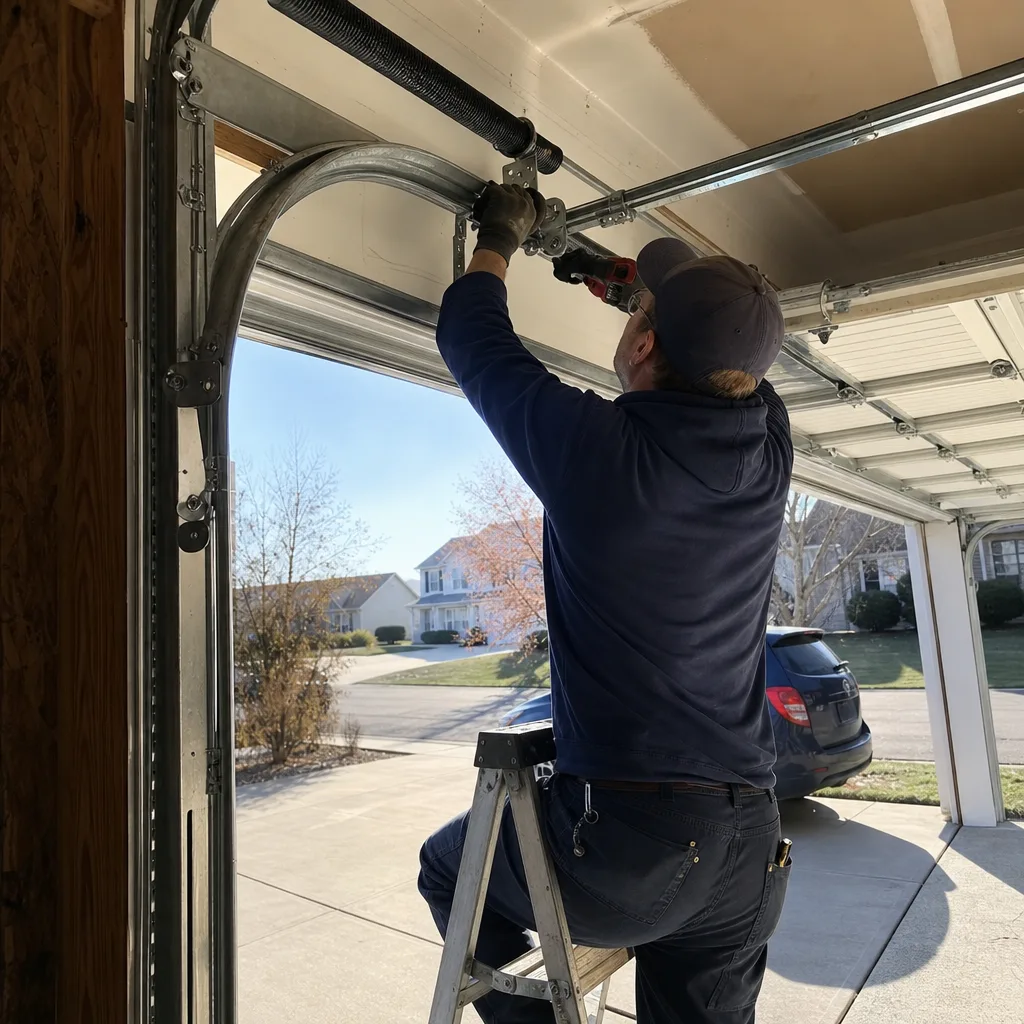
Last updated November 20, 2026
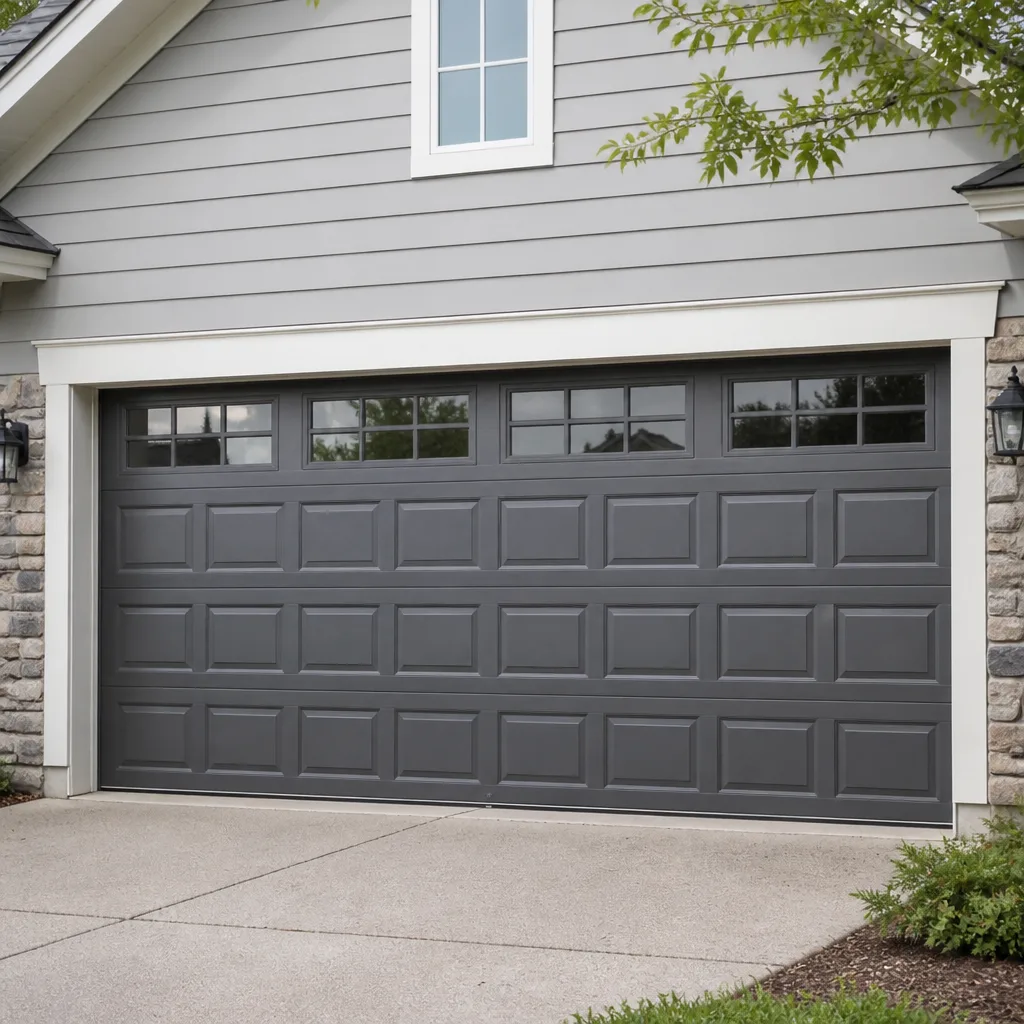 Raised-panel steel
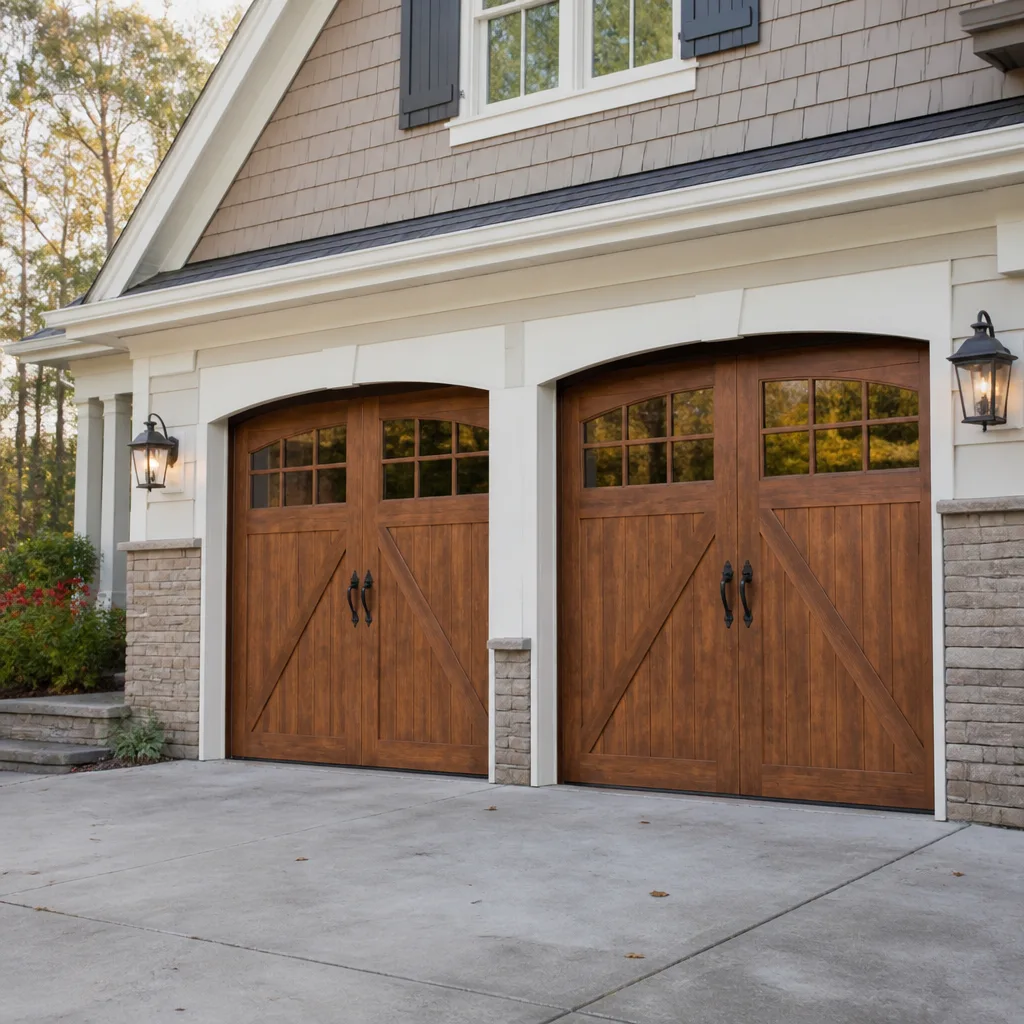 Carriage house
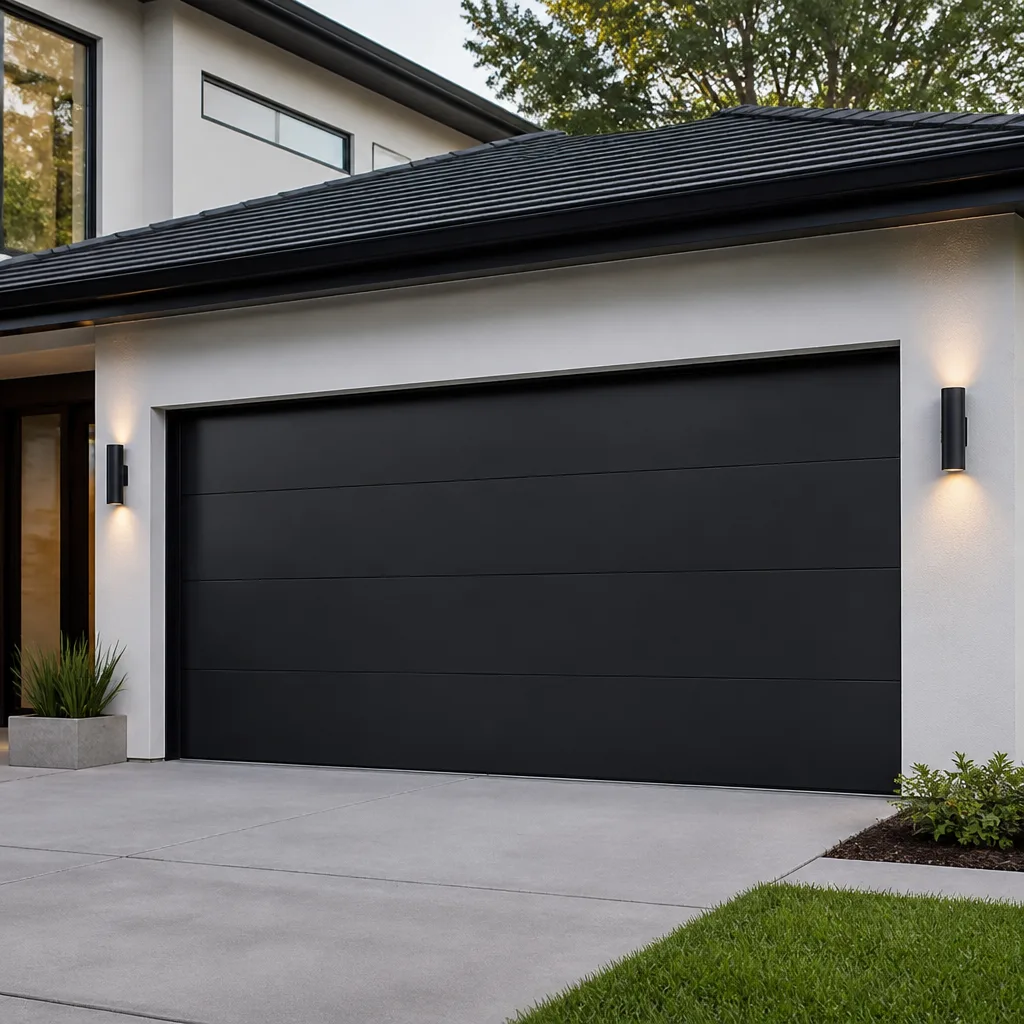 Modern flush
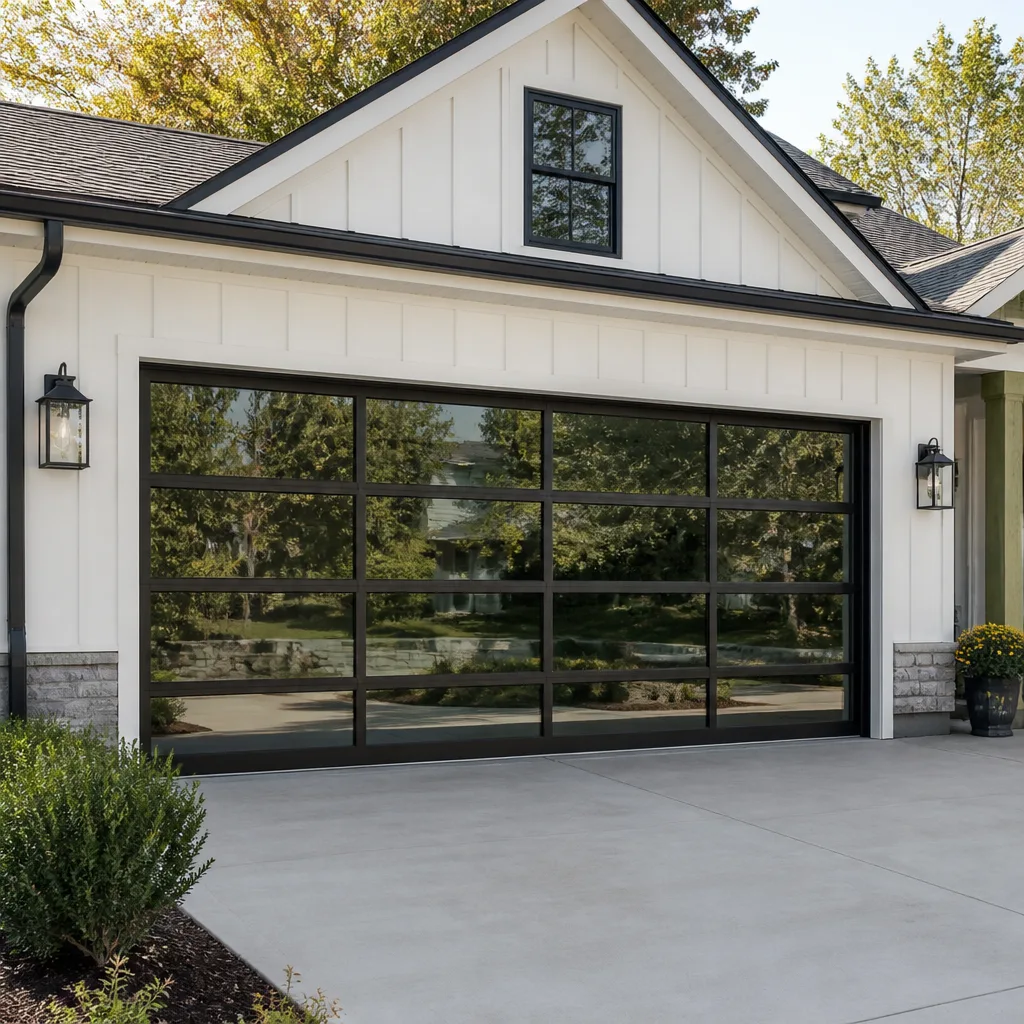 Full-view glass
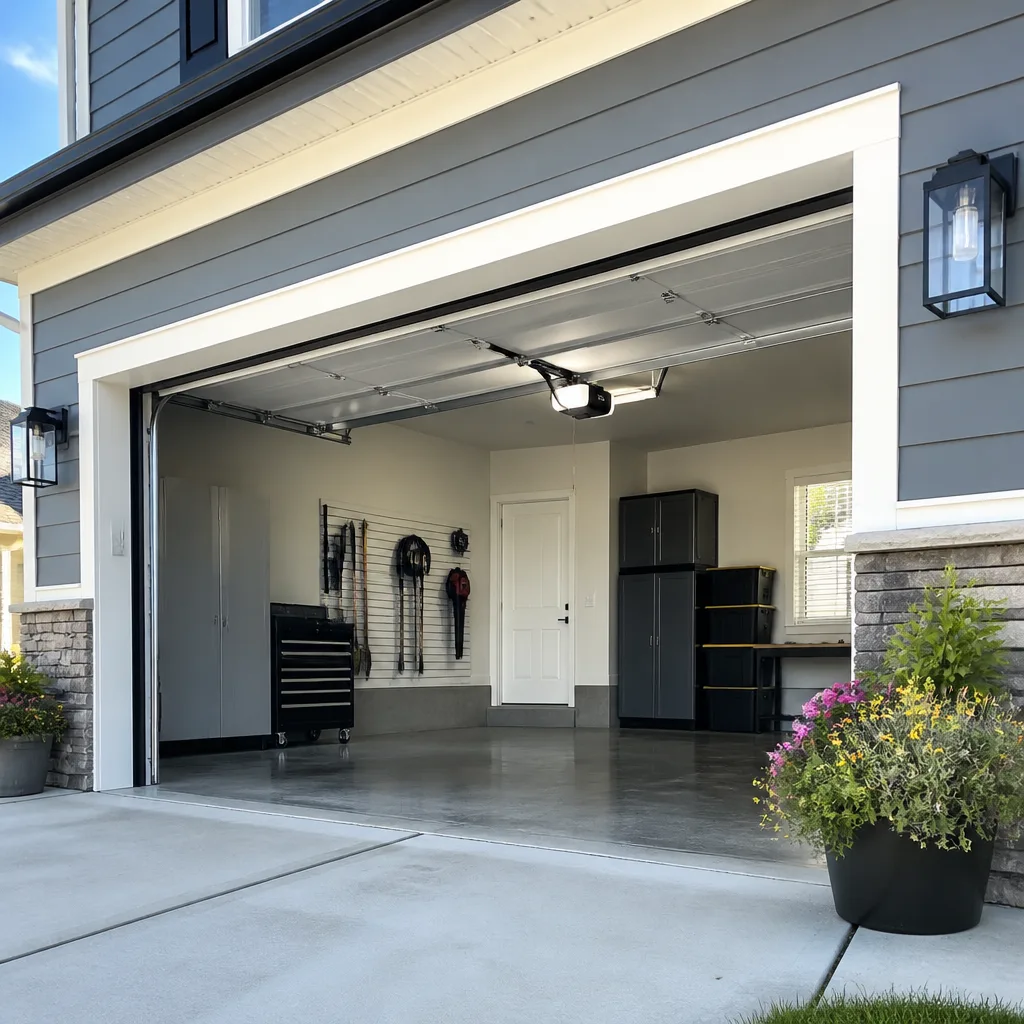 LiftMaster openers
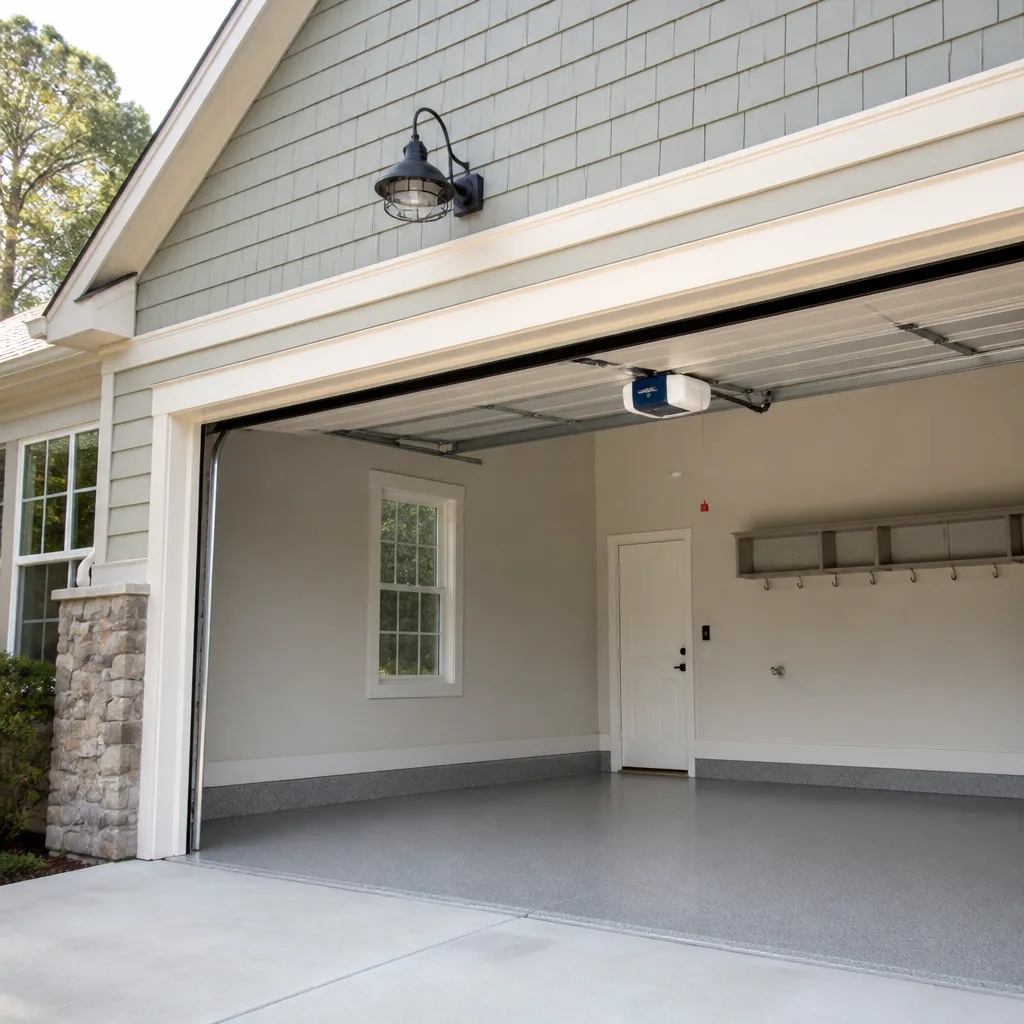 Chamberlain openers
Full 25-point door and opener safety check with every visit - springs, cables, rollers, tracks, and your LiftMaster or Chamberlain opener included
You get a price before we start. It does not change when the pro arrives.
Get your free estimateSeasonal Garage Door Care for Akron: Year-Round Homeowner’s Guide
Most homeowners assume cold weather is what breaks garage door springs. The truth is more specific. In Northeast Ohio, torsion springs fail most often in January and February, and the culprit isn’t simply that steel gets cold. It’s thermal cycling: a heated garage holding warmth against a door panel while the outside face sits below freezing, over and over, through a long Akron winter. Metal that was already marginal fatigues faster under that back-and-forth than it ever would in steady cold. The same seasonal logic applies to every other part of your door, just at different times of year. This guide maps each Akron season to the components most likely to fail during it, so you can check the right parts at the right time instead of waiting for a January morning surprise.
Quick Answer
Seasonal garage door care in Akron means matching your inspection to the weather: check springs and opener performance before winter cold sets in, watch seals and tracks for freeze-thaw damage in early spring, adjust lubrication for summer humidity, and run a full pre-winter prep sequence each fall. Most failures we see follow a predictable seasonal pattern, and a short checklist at each transition catches problems while they’re still cheap to fix.
Styles & brands we work with
- Raised-panel steel
- Carriage house
- Modern flush
- Full-view glass
- LiftMaster openers
- Chamberlain openers
Table of Contents
- Winter: Why Springs Fail and How to Spot One Under Stress
- Spring: The Freeze-Thaw Damage Checklist
- Summer: Humidity, Wood Doors, and Your Lubrication Schedule
- Fall: The Pre-Winter Prep Sequence
- Year-Round: How Your Garage’s Thermal Mass Affects the Opener
- What’s Safe to Check Yourself and What Isn’t
- Building a Simple Seasonal Schedule for Akron
Winter: Why Springs Fail and How to Spot One Under Stress
A torsion spring holds a surprising amount of stored energy, and cold metal contracts. That contraction doesn’t just shorten the spring; it changes the tension balance across the whole system. When a heated garage keeps the inside of the door and the spring assembly warmer than the outside air, the components cycle between expanded and contracted states every time the door opens and closes. Steel that’s near the end of its fatigue life doesn’t tolerate that cycling well. This is why so many spring failures land in the coldest weeks of an Akron winter rather than in mild weather.
You can’t safely test a torsion spring by hand, and you shouldn’t try. What you can do is watch and listen for warning signs in the weeks before deep cold arrives:
- Uneven lifting: If the door rises crooked or one side lags, the springs may be unbalanced.
- A loud bang from the garage: This is the classic sound of a spring letting go. If you hear it, stop using the door.
- A visible gap in the coil: A torsion spring with a clean break shows an obvious gap. Look, don’t touch.
- Sluggish operation in cold: If the door feels heavier or the opener strains more than usual on cold mornings, the spring tension may already be compromised.
Extension springs, common on older doors around Akron, have their own warning signs: stretched coils, gaps between windings, and rust streaks that show moisture has been working on the steel. If you spot any of these before the first hard freeze, you have time to schedule a repair on your terms rather than in an emergency. Spring work is the highest-risk repair on any garage door, and it’s a job for a trained technician. Our garage door spring repair handles torsion and extension springs with the right tools and the right safety procedure.
Spring: The Freeze-Thaw Damage Checklist
As Akron thaws out, the damage from winter becomes visible. Freeze-thaw cycles are hard on a garage door because moisture gets into small gaps, expands overnight, and works the materials loose over months. Spring is when you find out what winter did.
Work through this checklist once the ground has thawed and you’ve had a few mild days:
- Inspect the bottom seal. Run your hand along the rubber and look for cracks, hardening, or sections that have pulled away from the door. A cracked seal lets water and cold air in and is one of the most common spring findings.
- Check the tracks for warping. Look down each track from the floor. Frost heave and moisture can push tracks out of alignment, and a warped track makes the door bind and the opener work harder.
- Look for rust streaks on extension springs. Rust on the spring itself or on the hardware around it means moisture has been sitting there. Rust weakens steel and shortens spring life.
- Test the door balance. Disconnect the opener and lift the door halfway by hand. A balanced door stays put. One that drops or rises on its own needs adjustment.
- Check the hinges and rollers. Loose hinges and worn rollers often show up after a winter of temperature swings.
- Look at the weatherstrip around the frame. If it’s compressed flat or torn, it’s no longer sealing.
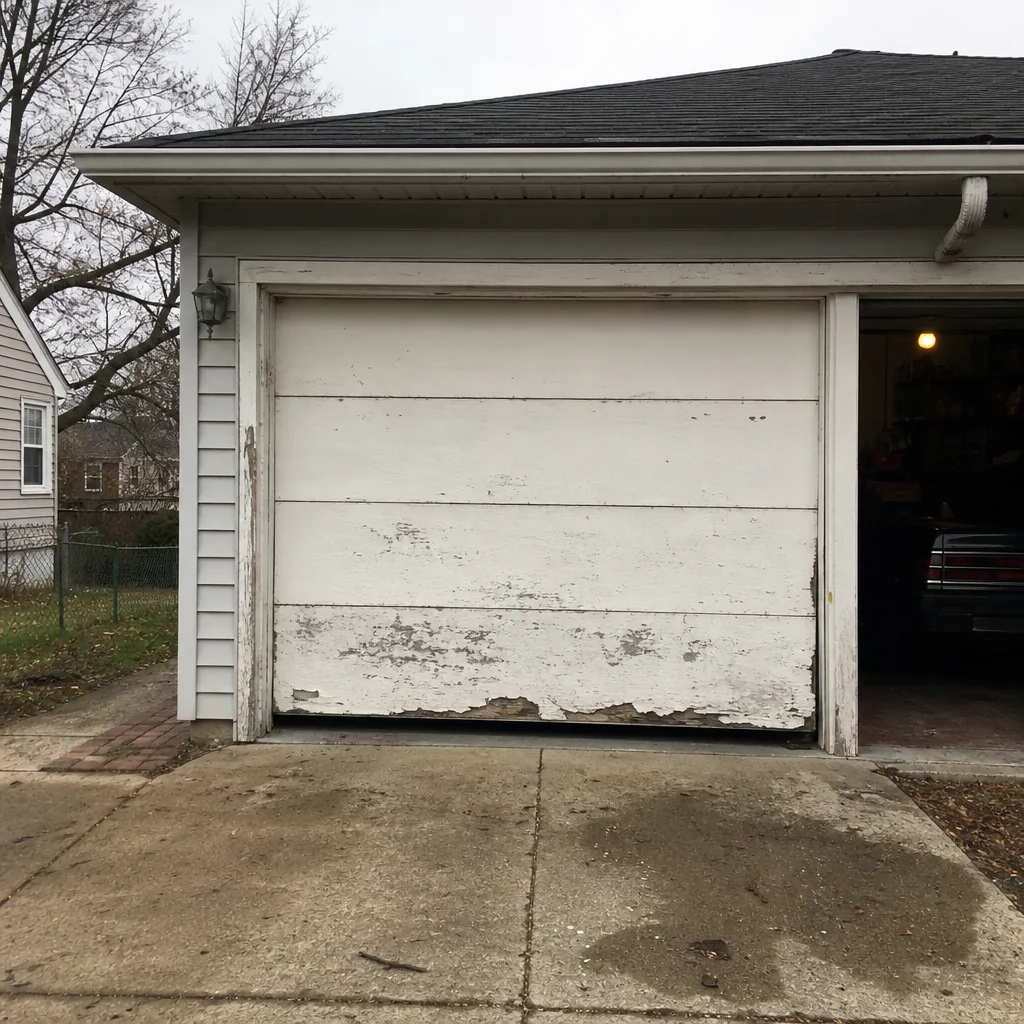
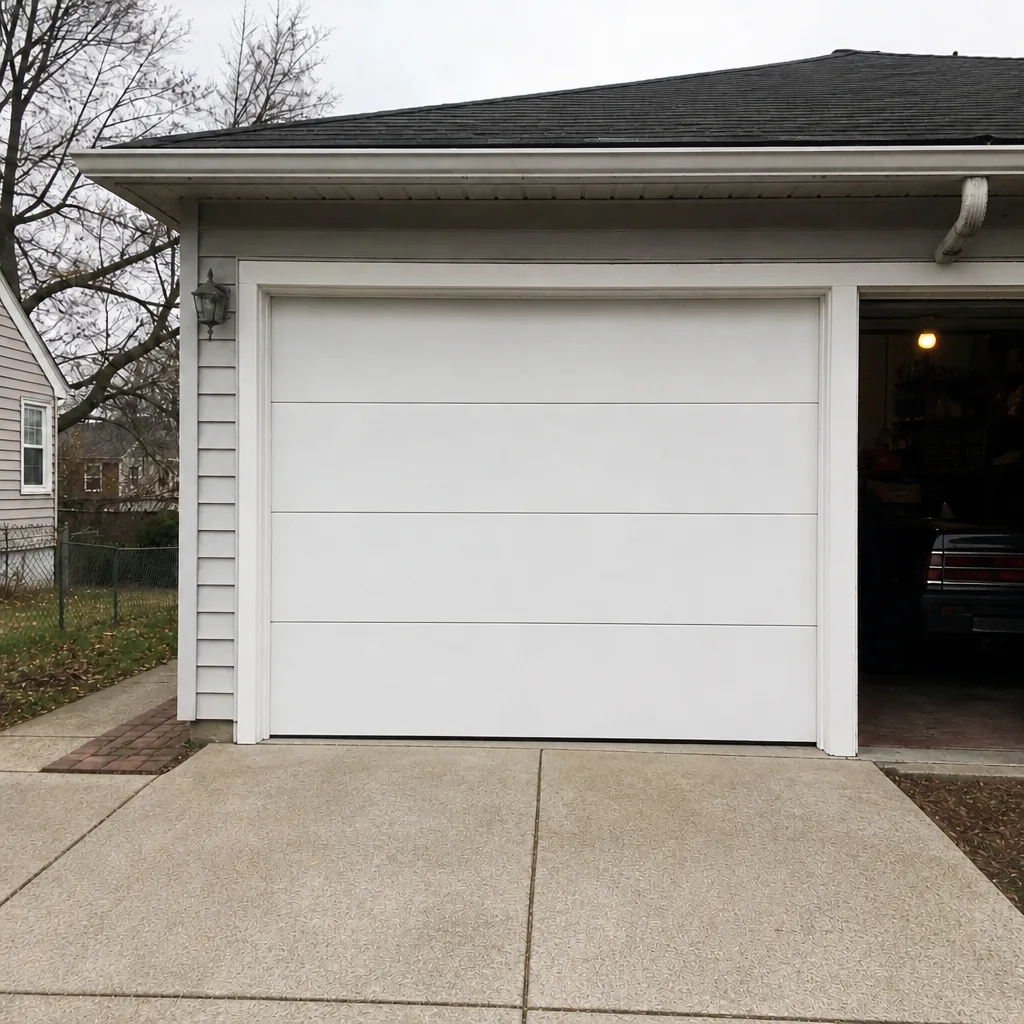
Spring is also a good time to look at the door’s paint or finish on the south and west faces, which take the most sun after a long winter. Cracking paint lets moisture into wood and steel alike. If your door is older and the panels are showing damage beyond what a repair can fix, our garage door installation service covers everything from a single-section replacement to a full new door.
Summer: Humidity, Wood Doors, and Your Lubrication Schedule
Akron summers bring humidity that wood garage doors feel before you do. Wood sections absorb moisture and swell, which can make panels bind against each other, throw the door slightly out of square, and cause the finish to bubble or peel. If your door is wood or has wood sections, watch for panels that rub, a door that suddenly needs more force to close, and paint that’s lifting along the bottom edges. Swelling is usually worst in July and August and settles back down in fall, but repeated cycles take a toll on the finish over the years.
Heat also changes your lubrication schedule. In cooler months, a light application keeps rollers, hinges, and the spring assembly moving smoothly. In summer, heat thins lubricant and it migrates or dries faster, especially on a door that faces full afternoon sun. Here’s how to adjust:
- Shorten your interval in summer. If you lubricate every few months in cool weather, check the moving parts more often during the hottest stretch and reapply a garage-door-rated lubricant where it’s dried out.
- Use the right product. Light oil or a dedicated garage door lubricant works on rollers and hinges. Avoid heavy grease, which collects grit and gums up in heat.
- Don’t lubricate the tracks. Tracks should stay clean and dry. Lubricant in the tracks attracts dust and makes rollers slide instead of roll.
- Wipe the spring. A light film on the torsion spring helps it coil cleanly and reduces squealing.
Summer is also when most people notice the opener. If a LiftMaster or Chamberlain unit runs hotter than usual or the door reverses for no clear reason, the opener may be straining against a door that’s binding. That’s often a door problem, not an opener problem. We cover both sides of that diagnosis through our garage door opener repair, so you don’t have to guess which part is at fault.
Fall: The Pre-Winter Prep Sequence
Fall is the most important season for garage door care in Akron, because it’s your last chance to fix problems before the cold makes them urgent. The work you do in October and early November is what keeps your door reliable through January and February. Run this sequence before the first hard freeze:
- Inspect the cables. Look for fraying, kinks, or slack in the cables that run along each side of the door. Cables are under high tension and should be checked, never adjusted, by a homeowner. If anything looks off, call a technician.
- Test the opener’s battery backup. If your opener has a backup battery, test it now so a power outage in a winter storm doesn’t leave you locked out. Replace weak batteries before winter.
- Check weatherstrip compression. Close the door and look at the gap between the bottom seal and the floor. If light shows through or the seal barely touches, cold air will pour in all winter. Adjust or replace the seal now.
- Lubricate everything one last time. Rollers, hinges, and the spring get a fresh application going into cold weather.
- Tighten the hardware. Cold contracts metal, and loose bolts get looser. Check the brackets and hinges and tighten anything that’s worked free.
- Test the safety reverse. Put a small object in the door’s path and confirm the door reverses on contact. This is a safety feature, and it’s worth confirming before winter.
Fall is also the right time to schedule a new door if yours is on its way out, so the installation happens before the cold. If you’re weighing repair against replacement, we’ll give you a straight answer instead of a sales pitch.
Year-Round: How Your Garage’s Thermal Mass Affects the Opener
An attached garage shares at least one wall with your heated house, which means it holds warmth longer than the outdoor temperature would suggest. That thermal mass creates a temperature gap between the garage interior and the outside face of the door, and the opener has to work against that gap every time it lifts the door. The heavier the door and the colder the outside air, the more the opener strains.
Opener brands handle cold differently, and we see the differences in the field:
- LiftMaster units generally hold up well in cold but can develop sluggish response in the motor when the garage sits well below freezing. Battery backup models help when storms knock out power.
- Chamberlain units share engineering with LiftMaster but sometimes show cold-related quirks in the wall control or remote signal, which often trace to battery life rather than the motor itself.
- Craftsman and Raynor openers on older doors can feel noticeably slower below about 20°F. That’s often the opener compensating for a door that’s harder to lift because the springs are cold and tighter.
- Wayne Dalton doors paired with their own openers can bind in cold if the door’s balance has drifted.
If your opener struggles on cold mornings but works fine in the afternoon, the door’s balance is the first thing to check. A technician can measure the actual lifting force and tell you whether the opener or the door is the problem. We work on all these brands, and our technicians have up to 8 years of experience diagnosing exactly this kind of seasonal behavior.
What’s Safe to Check Yourself and What Isn’t
Some seasonal checks are safe for any homeowner. Others are genuinely dangerous, and the difference matters. Here’s the line:
Safe to check yourself
Visual inspection of seals, weatherstrip, paint, and rust; listening for unusual sounds; testing the opener’s safety reverse; checking and replacing opener batteries; lubricating rollers, hinges, and the spring with a light film; wiping down tracks and keeping them clear of debris.
Not safe to touch yourself
Torsion springs, extension springs, and the cables attached to them store enough energy to cause serious injury in an instant. Never try to adjust, wind, unwind, or remove a spring or cable, and never cut a spring or cable even if it looks broken. If a spring has failed, the door should stay closed and unused until a trained technician handles it. The same goes for track alignment on a door that’s under tension and for any work that requires the door to be held open while you’re underneath it.
This isn’t a liability warning. It’s just the truth about how these parts work. Spring replacement is the most common repair we handle, and it’s the one we’d never suggest a homeowner attempt. When your door won’t move, we will, and we’d rather you call than take a risk with stored energy you can’t see.
Building a Simple Seasonal Schedule for Akron
Here’s a straight schedule you can put on the calendar. Each check takes under half an hour, and the payoff is a door that doesn’t surprise you.
Late fall (before the first hard freeze)
- Full pre-winter prep sequence: cables, battery backup, weatherstrip, lubrication, hardware tightening, safety reverse test.
Mid-winter (January and February)
- Listen for unusual sounds on cold mornings. If the door feels heavy or the opener strains, stop using it until it’s checked.
- Clear snow and ice from the door’s path so it opens and closes cleanly.
Early spring (after thaw)
- Freeze-thaw checklist: bottom seal, tracks, rust on springs, door balance, hinges, rollers, weatherstrip.
Summer (July and August)
- Watch wood sections for swelling and finish bubbling.
- Shorten the lubrication interval and keep an eye on the opener.
One check that spans all four seasons: the door’s balance. A door that’s out of balance puts extra strain on the springs and the opener year-round. Test it whenever the seasons change and after any storm.
Common Mistakes to Avoid
- Assuming cold alone breaks springs. Thermal cycling between a heated garage and a sub-zero Akron night is what fatigues marginal metal. Check the springs in fall, not after they fail in January.
- Ignoring a cracked bottom seal until spring. A bad seal lets moisture and cold in all winter and is one of the cheapest parts to replace. Don’t wait for the thaw to reveal the damage.
- Lubricating the tracks. Tracks should stay clean and dry. Lubricant in the tracks collects grit and stops rollers from rolling.
- Skipping the opener’s battery backup test. A winter storm that knocks out power is not the time to discover the backup battery is dead. Test it in fall.
- Replacing an opener when the door is the problem. A struggling opener often means a door that’s binding or a spring that’s lost tension. Diagnose before you buy.
- Adjusting a spring or cable yourself. These parts store enough energy to cause serious injury. Leave them to a trained technician.
- Waiting until the first freeze to schedule. Fall is the busiest season for garage door work in Akron. Book the pre-winter check early so you’re not in a scramble when the cold hits.
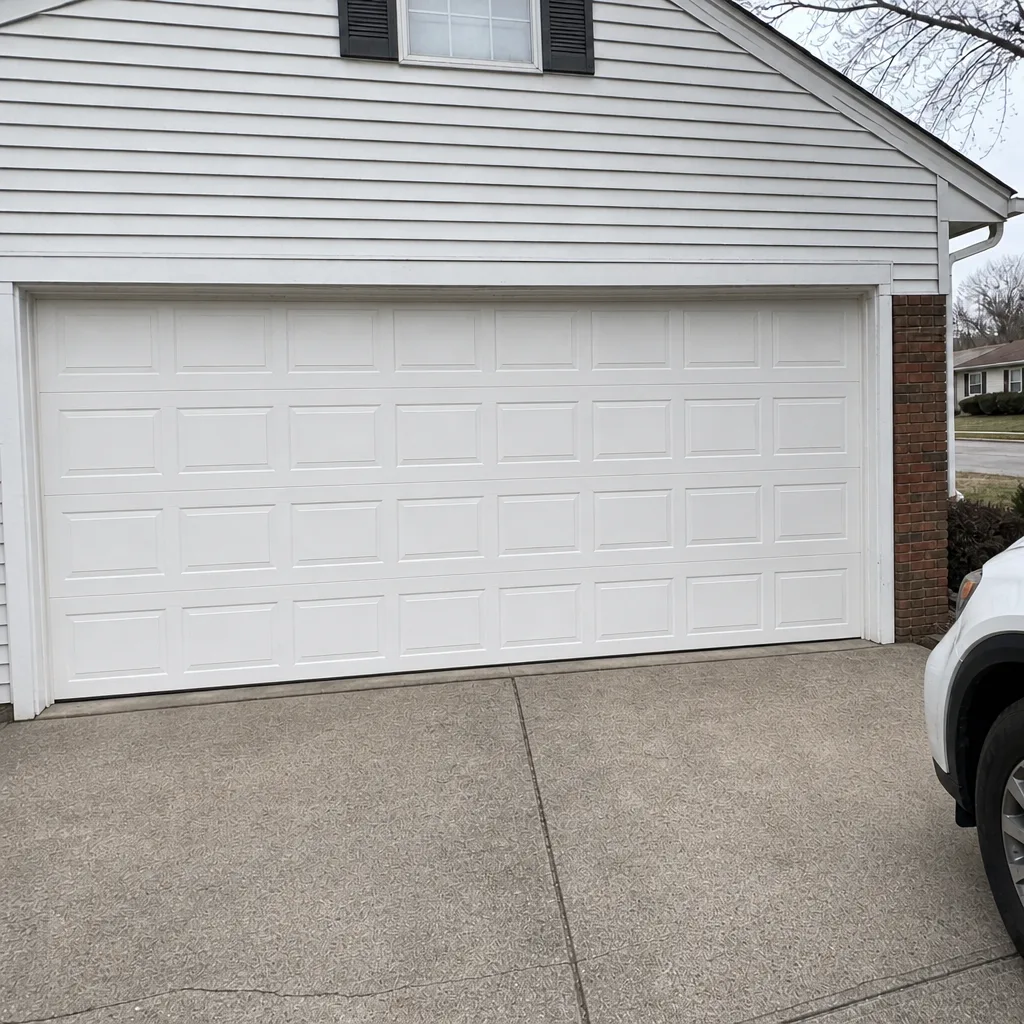
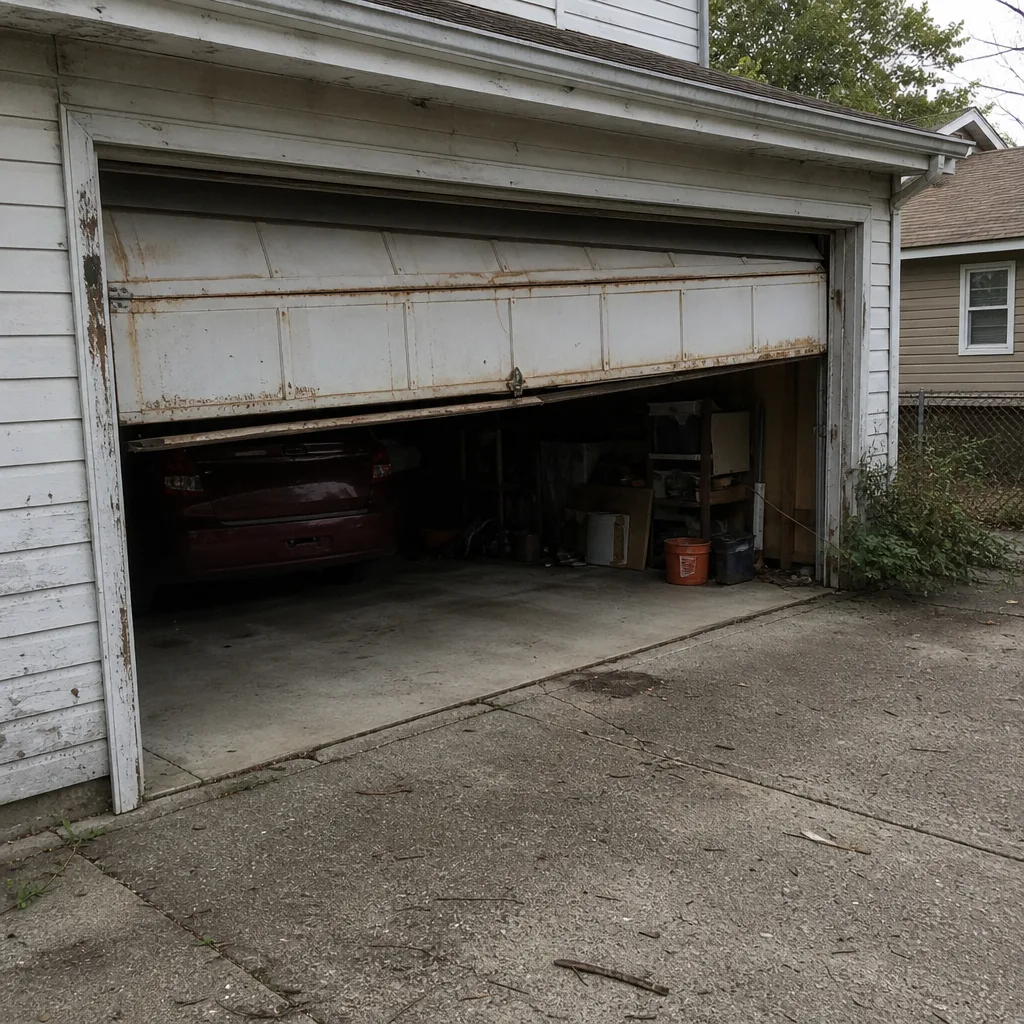
See the difference
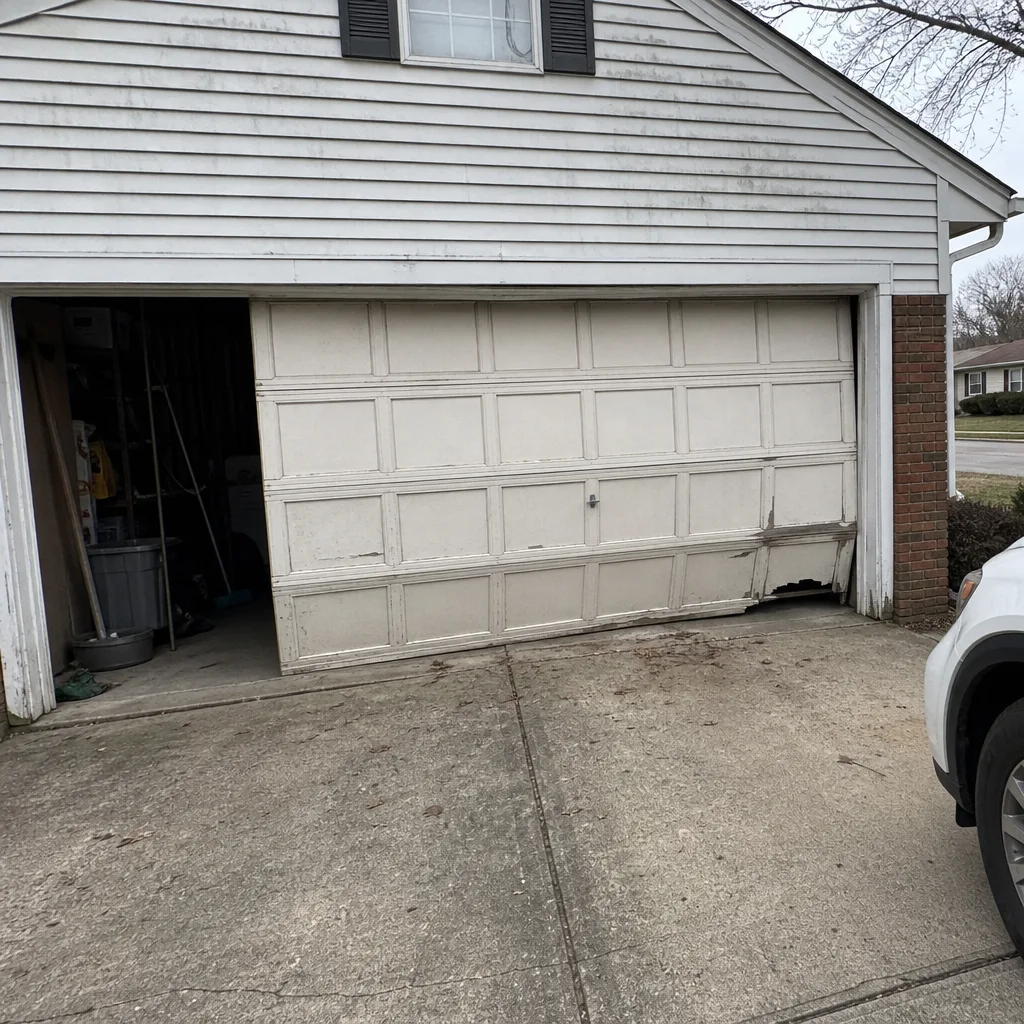 Before
 After
 Before
 After
 Before
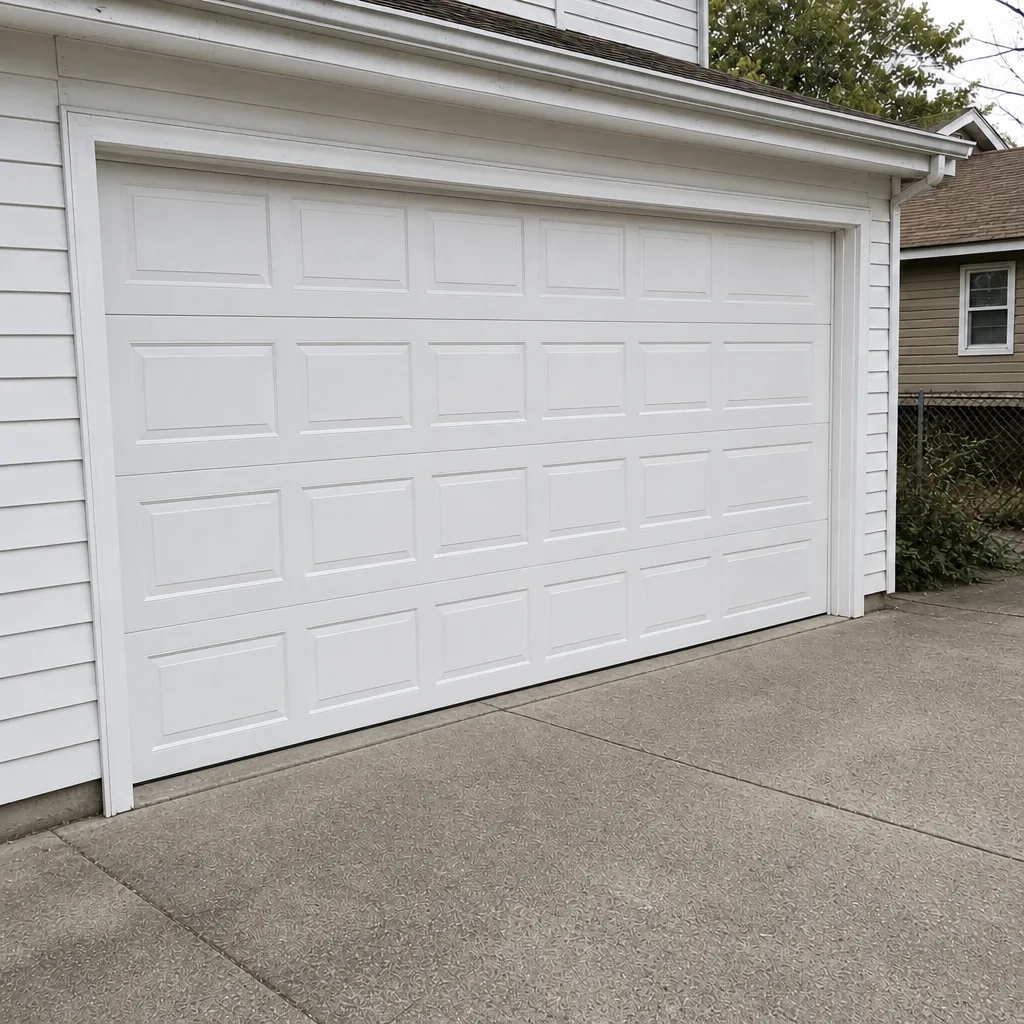 After
When to Call a Professional
Call a professional if you hear a loud bang from the garage, if the door won’t open or close smoothly, if you see a gap in a spring, or if the door is visibly off its tracks. Call if the opener reverses for no reason, runs but doesn’t move the door, or struggles more on cold mornings than it used to. Call if a cable looks frayed or slack, if the door feels unbalanced, or if you’ve had a close call with a part that moved unexpectedly. Akron Garage Door Repair Co offers free estimates in Akron and works on equipment from LiftMaster, Chamberlain, Genie, Clopay, Amarr, Wayne Dalton, Craftsman, and Raynor. Call (877) 792-5739. We answer 24/7. Fast dispatch from 7am to 7pm, Sunday through Friday. We quote and agree the price before any work starts, so the written estimate is what you pay.
Frequently Asked Questions
Akron needs four seasonal touchpoints: a fall pre-winter check of springs, cables, battery backup, and weatherstrip; a mid-winter watch for cold-weather spring and opener problems; an early spring freeze-thaw inspection of seals, tracks, and rust; and a summer check on humidity effects for wood doors plus a lubrication adjustment. Each takes under half an hour unless you find a problem. Call (877) 792-5739 for an exact quote if a check turns up something that needs repair, as estimates are free.
Cold contracts metal, but the real driver is thermal cycling: a heated garage keeps the spring warmer than the outside air, so the metal expands and contracts on every open-close cycle, which fatigues springs that were already marginal. That’s why failures cluster in January and February. If you hear a bang from the garage, stop using the door and call us. Fast dispatch is available from 7am to 7pm, Sunday through Friday.
Spring repair is priced per job after we see the door, and the written estimate is the final price, agreed before any work starts. We don’t quote a range before seeing the door because torsion and extension springs, door weight, and hardware condition all affect the job. Call (877) 792-5739 for an exact quote, as estimates are free.
Yes, lubricating rollers, hinges, and the spring with a light garage-door lubricant is safe and worth doing more often in summer heat. Never lubricate the tracks, and never touch the spring while trying to adjust it. Call (877) 792-5739 if anything feels wrong during the check.
Yes. Wood sections absorb summer moisture and swell, which can make panels bind and cause finish to bubble or peel. It usually settles in fall, but the repeated cycling wears on the finish over the years. If your wood door is binding or the finish is failing badly, our garage door repair can assess whether a repair or replacement makes sense. Call (877) 792-5739 for a free estimate.
No. Torsion and extension springs store enough energy to cause serious injury, and testing them by hand is dangerous. You can visually look for gaps, stretched coils, or rust, but never adjust, wind, or touch a spring. If you suspect a spring is failing, keep the door closed and call us. Akron Garage Door Repair Co can work with your insurer if a failure causes damage.
The Bottom Line
Akron’s seasonal swings don’t stress every part of your garage door equally, so a generic annual tune-up misses the point. Map your checks to the season: springs and opener before winter, seals and tracks after the thaw, wood doors and lubrication in summer, and a full pre-winter sequence each fall. The goal is to catch a failing spring in October rather than on a January morning. Whether it’s a spring, an opener, or a full new door, Akron Garage Door Repair Co covers the whole job from a single source, and we repair first and replace only when necessary. Start with the fall checklist, and call us when anything looks wrong.
Akron Garage Door Repair Co provides garage door repair, opener repair, spring repair, installation, and emergency garage door service across Akron. Call (877) 792-5739 for a free estimate. We answer 24/7. Fast dispatch from 7am to 7pm, Sunday through Friday.
Written by the team at Akron Garage Door Repair Co.